


UV Filters
You've probably seen them before—those seemingly simple, clear rings that screw onto the front of your lens. They're easy to overlook, but ask any experienced photographer, and they'll likely tell you: a good UV filter is one of the smartest, most affordable investments you can make for your gear.
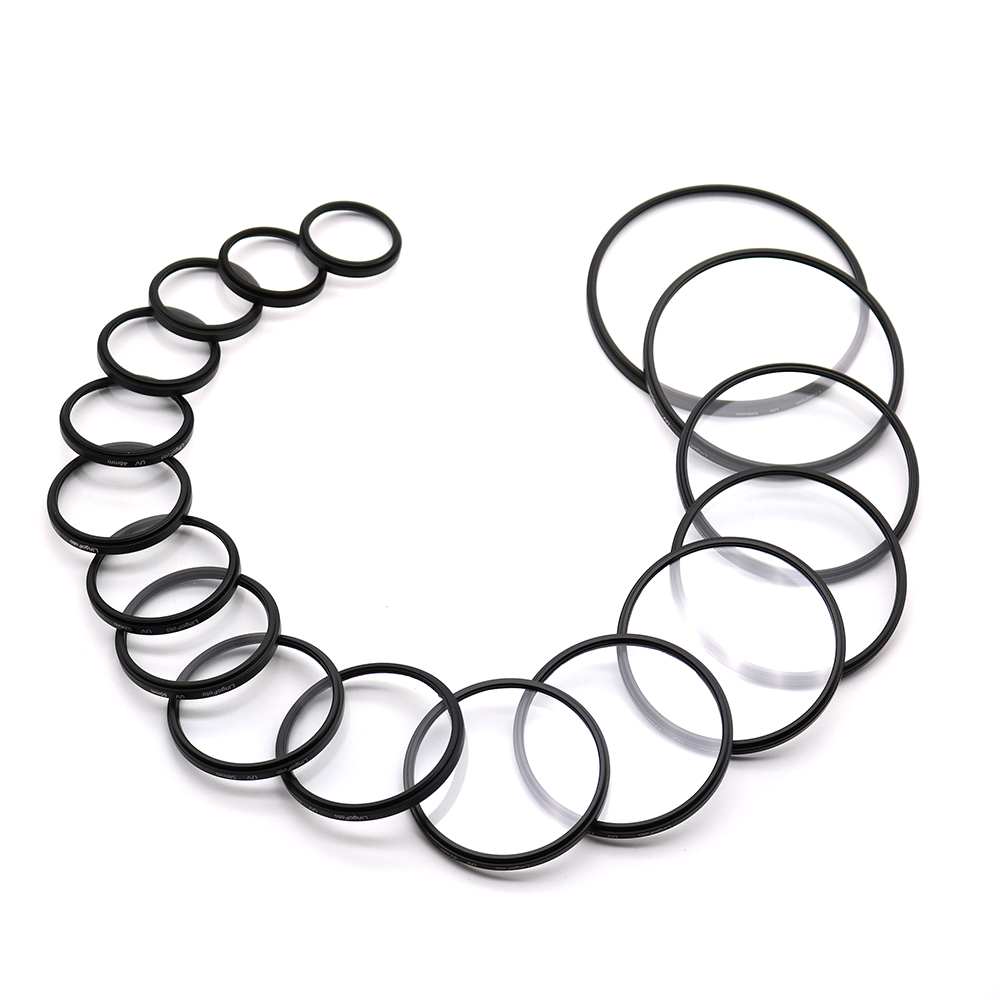
Take a look at this list.
| P/N | Description | Compatible Accessories | Material |
| LC5116 | UV Filter for 25mm | all accessories with Ø 25mm thread | Aluminium alloy Frame + Optial glass, Non-coated, Non Waterproof |
| LC5117 | UV Filter for 27mm | all accessories with Ø 27mm thread | |
| LC5118 | UV Filter for 28mm | all accessories with Ø 28mm thread | |
| LC5119 | UV Filter for 30.5mm | all accessories with Ø 30.5mm thread | |
| LC5120 | UV Filter for 34mm | all accessories with Ø 34mm thread | |
| LC5101 | UV Filter for 37mm | all accessories with Ø 37mm thread | |
| LC5114 | UV Filter for 39mm | all accessories with Ø 39mm thread | |
| LC5102 | UV Filter for 40.5mm | all accessories with Ø 40.5mm thread | |
| LC5103 | UV Filter for 43mm | all accessories with Ø 43mm thread | |
| LC5104 | UV Filter for 46mm | all accessories with Ø 46mm thread | |
| LC5105 | UV Filter for 49mm | all accessories with Ø 49mm thread | |
| LC5106 | UV Filter for 52mm | all accessories with Ø 52mm thread | |
| LC5107 | UV Filter for 55mm | all accessories with Ø 55mm thread | |
| LC5108 | UV Filter for 58mm | all accessories with Ø 58mm thread | |
| LC5109 | UV Filter for 62mm | all accessories with Ø 62mm thread | |
| LC5110 | UV Filter for 67mm | all accessories with Ø 67mm thread | |
| LC5111 | UV Filter for 72mm | all accessories with Ø 72mm thread | |
| LC5112 | UV Filter for 77mm | all accessories with Ø 77mm thread | |
| LC5113 | UV Filter for 82mm | all accessories with Ø 82mm thread | |
| LC5115 | UV Filter for 86mm | all accessories with Ø 86mm thread | |
| LC5121 | UV Filter for 95mm | all accessories with Ø 95mm thread | |
| LC5122 | UV Filter for 105mm | all accessories with Ø 105mm thread |
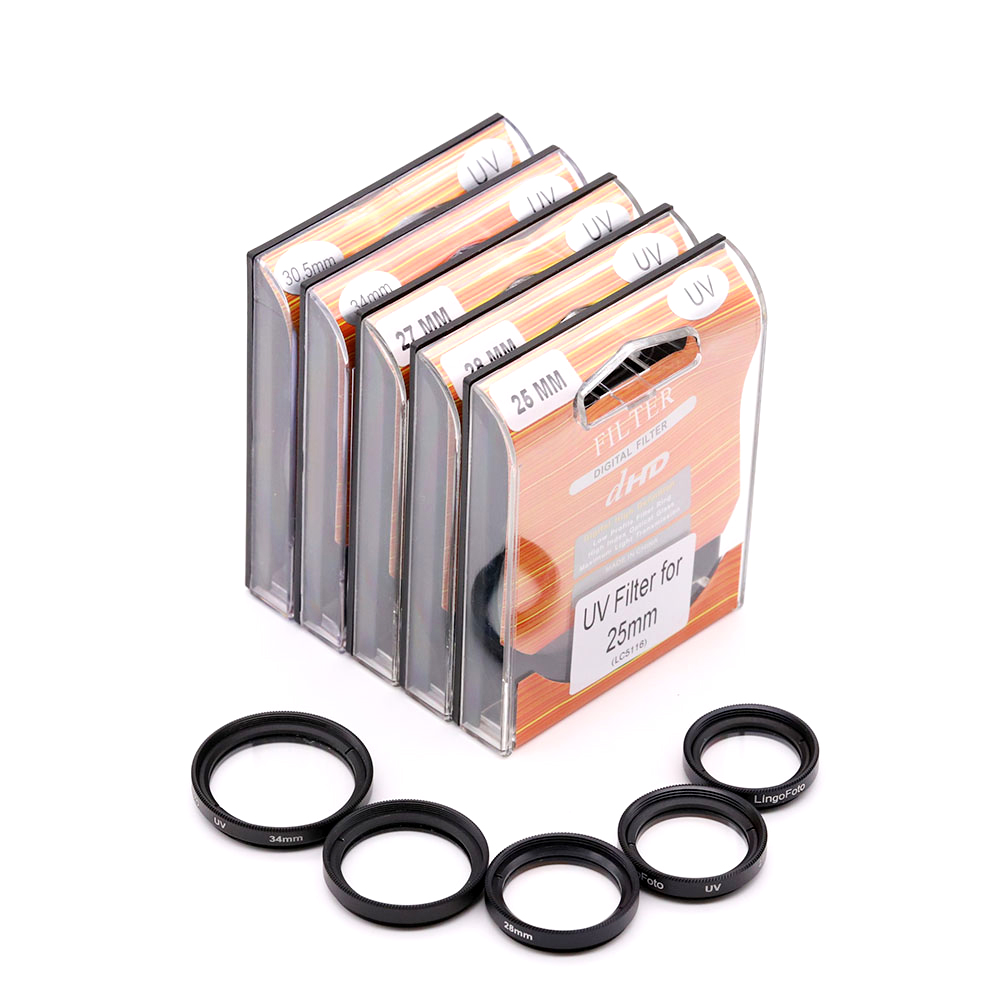
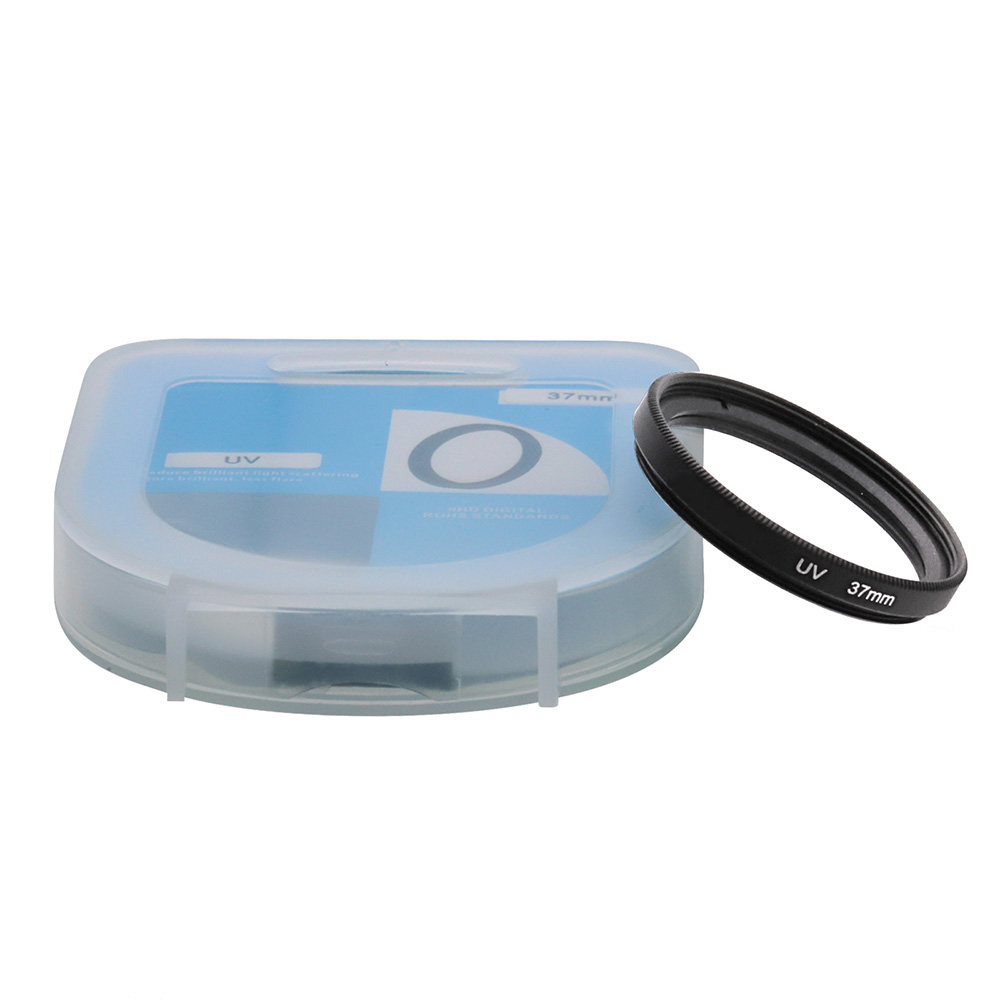
So, What Does a UV Filter Actually Do?
Great question! The name comes from its original purpose: blocking ultraviolet light. Back in the film days, UV light could cause a hazy, bluish cast in photos, especially at high altitudes or near water. A UV filter solved that.
But here's the thing: modern digital camera sensors are much less sensitive to UV light. So, is a UV filter still useful? Absolutely. Its role has evolved, and today, photographers use them primarily for two things:
Permanent Lens Protection: This is the #1 reason. Think of it as a clear, sacrificial bodyguard for your lens's front element. It's much cheaper and easier to replace a scratched or cracked UV filter than to repair or replace your precious lens. It guards against:
Dust and sand
Fingerprints
Water droplets and light rain
Accidental bumps and scratches
Basic UV Filtration: While less critical on digital cameras, if you're shooting on a vintage film camera, or in specific conditions like snowy mountains or beaches, a UV filter can still help reduce that unwanted blue haze and improve overall clarity.
One thing worth highlighting—these filters feature an aluminum alloy frame with optical glass. That's a nice step up from basic resin filters. Optical glass generally offers better light transmission and scratch resistance, so you're getting solid protection without sacrificing image clarity.
Your Questions, Our Answeres
Q: If I'm shooting digital, do I really need a UV filter?
A: Think of it this way: you don't need a screen protector for your phone, but it's a smart way to protect your investment. A UV filter is the same idea. It's affordable peace of mind. One drop, one accidental finger poke, or one gust of sand, and you'll be incredibly glad you had it on.
Q: Will a UV filter affect my image quality?
A: With optical glass, the impact on sharpness is minimal—often imperceptible in real-world shooting. These filters are non-coated, which means they lack extra anti-reflection layers. In most lighting conditions, you won't notice a difference. However, when shooting directly into very bright light sources (like the sun), an uncoated filter can be slightly more prone to lens flare than a multi-coated one. For general protection and everyday shooting, they do a fantastic job.
Q: What does"Non-waterproof"mean in the specs?
A: This refers to the coating, not the physical structure. A"waterproof"or"water-repellent"coating would cause water droplets to bead up and roll off easily. With these non-coated filters, water might spread out more. It doesn't mean the filter will be damaged by moisture—just that it lacks that fancy hydrophobic layer. You can still wipe it dry with a soft cloth.
Q: How do I know which size to buy?
A: This is crucial! Look on your camera lens itself or on the front of any adapter tube you're using. You'll see a symbol like" Ø "followed by a number (for example, Ø 58mm). That number is your filter size. Match it to the number in our product list (e.g., LC5108 for 58mm).
Q: Can I leave it on all the time?
A: Many photographers do exactly that. Once it's screwed on, it can live on your lens permanently, acting as a shield. Just remember to keep it clean, and it's always working for you.
Q: Optical glass vs. resin—which is better?
A: Both have their place. Optical glass typically offers better optical clarity and is more scratch-resistant than resin. Resin filters are lighter and more shatter-resistant. For a protective UV filter, optical glass is a solid choice—it gives you that extra peace of mind knowing you're not adding a weak link to your lens setup.


