


Full Color Filters
So, you've got your camera and maybe even some cool adapter tubes. You're probably familiar with UV or polarizing filters. But have you explored the fun and creative world of color filters? They're a simple, affordable way to totally change the mood of your photos and videos, right from the moment you press the shutter.
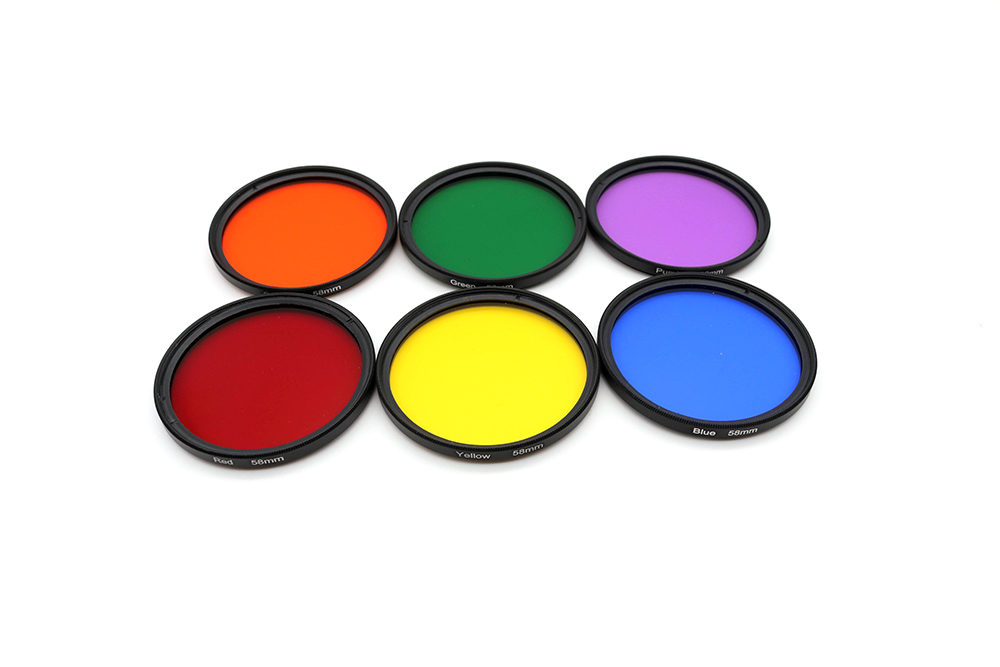
Look at this fantastic collection. We're talking about a full rainbow of colors, available in all the standard lens sizes from 37mm all the way up to 82mm (LL1007 to LL1019). For every size, you can choose from six classic colors: Red, Orange, Yellow, Green, Blue, and Purple. That's a whole palette of possibilities!
| P/N | Description | Compatible Accessories | Remark | Material |
| LL1007abcdef | Full color filter for 37mm | all accessories with Ø 37mm thread | a=Red b=Orange c=Yellow d=Green e=Blue f=Purple | Aluminium alloy Frame + Resin lens Non-coated |
| LL1008abcdef | Full color filter for 40.5mm | all accessories with Ø 40.5mm thread | ||
| LL1009abcdef | Full color filter for 43mm | all accessories with Ø 43mm thread | ||
| LL1010abcdef | Full color filter for 46mm | all accessories with Ø 46mm thread | ||
| LL1011abcdef | Full color filter for 49mm | all accessories with Ø 49mm thread | ||
| LL1012abcdef | Full color filter for 52mm | all accessories with Ø 52mm thread | ||
| LL1013abcdef | Full color filter for 55mm | all accessories with Ø 55mm thread | ||
| LL1014abcdef | Full color filter for 58mm | all accessories with Ø 58mm thread | ||
| LL1015abcdef | Full color filter for 62mm | all accessories with Ø 62mm thread | ||
| LL1016abcdef | Full color filter for 67mm | all accessories with Ø 67mm thread | ||
| LL1017abcdef | Full color filter for 72mm | all accessories with Ø 72mm thread | ||
| LL1018abcdef | Full color filter for 77mm | all accessories with Ø 77mm thread | ||
| LL1019abcdef | Full color filter for 82mm | all accessories with Ø 82mm thread |
"Aren't color filters just an old film thing?"
That's a common question, and it's a great one! While they were absolutely essential in the days of black-and-white film, they're still incredibly useful and fun for modern digital photography and videography. They let you create effects"in-camera,"saving you time on editing.
The magic happens because these filters work by selectively absorbing light. A red filter, for instance, will block blue and green light, making those areas darker in a black-and-white photo, while letting red tones (like skin or certain flowers) appear brighter. In color photography, they add a beautiful, uniform color cast for instant creative effects.
Choosing Your Color: A Quick Scenario Guide
Yellow Filter
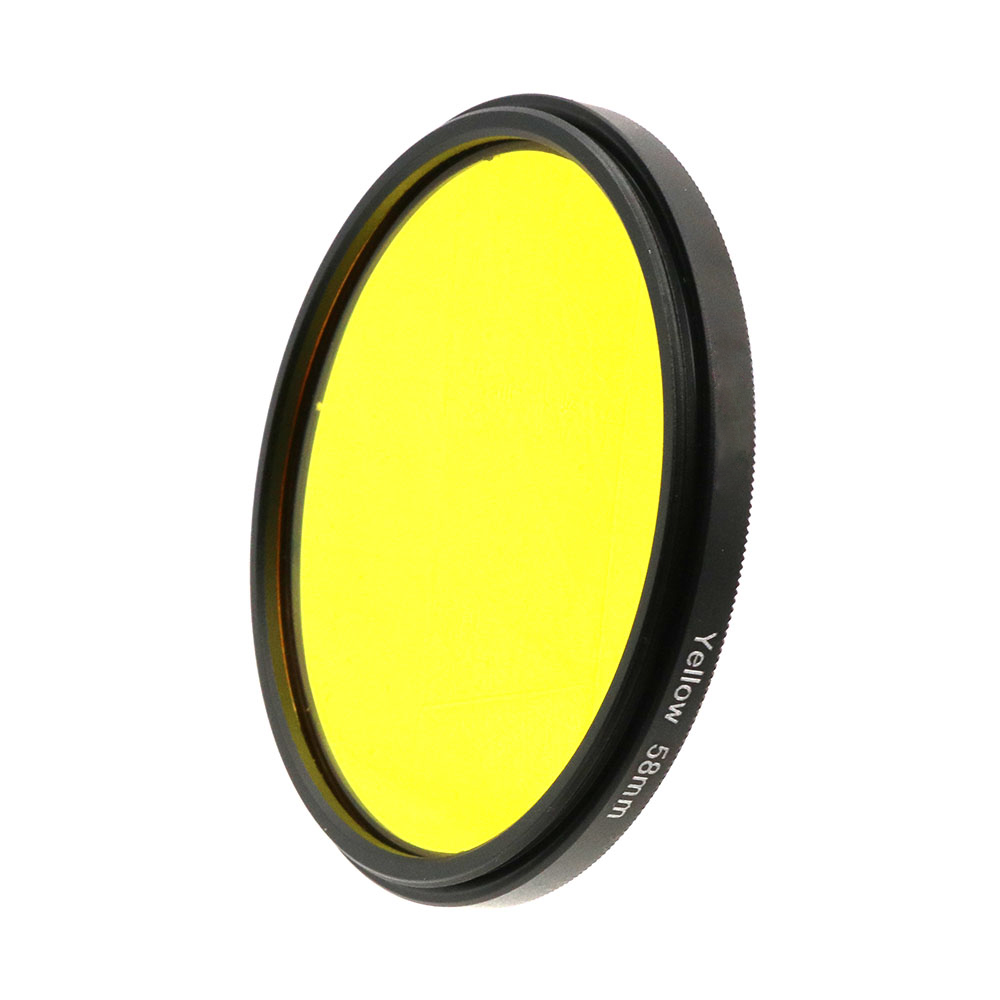
The most commonly used"foundation filter"for black and white photography—natural and pleasing results.
Key Effects:
Landscape Mastery: Darkens blue skies slightly, making white clouds stand out more prominently.
Improved Clarity: When shooting distant scenes, it absorbs some of the blue-violet light caused by atmospheric haze, resulting in clearer images.
Portrait Flattery (B&W): Lightens skin tones for a cleaner, smoother look in black and white portraits.
Snow Scene Magic: Deepens the tones in shadowed areas of snow, adding depth and texture.
Document Reproduction: Enhances the contrast of text or charts on yellowed paper, making them significantly clearer in black and white.
Orange Filter
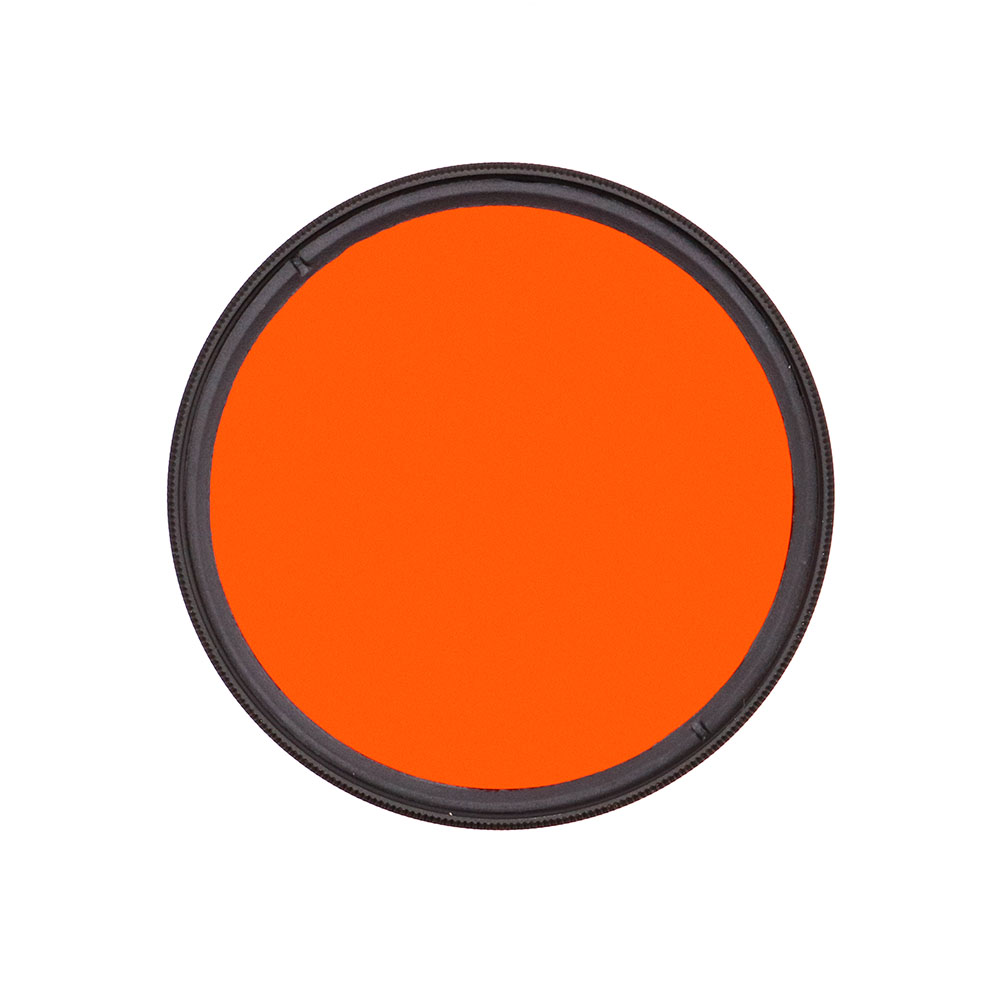
Stronger effect than yellow—perfect for creating rich, moody atmospheres.
Key Effects:
Strong Light Absorption: Absorbs blue, cyan, and some green light. Remember to increase exposure by about 2 stops when using it.
Subject Emphasis: In flower, advertising, or landscape photography, it lightens the tones of yellow, orange, and red subjects (like flowers or products), helping them stand out from the background.
Fresh Portrait Look: In black and white portraits, it creates a more impactful, powerful look compared to a yellow filter.
Landscape Enhancer: Better at cutting through light haze than yellow filters, significantly improving the clarity of distant scenes like mountains or buildings.
Red Filter
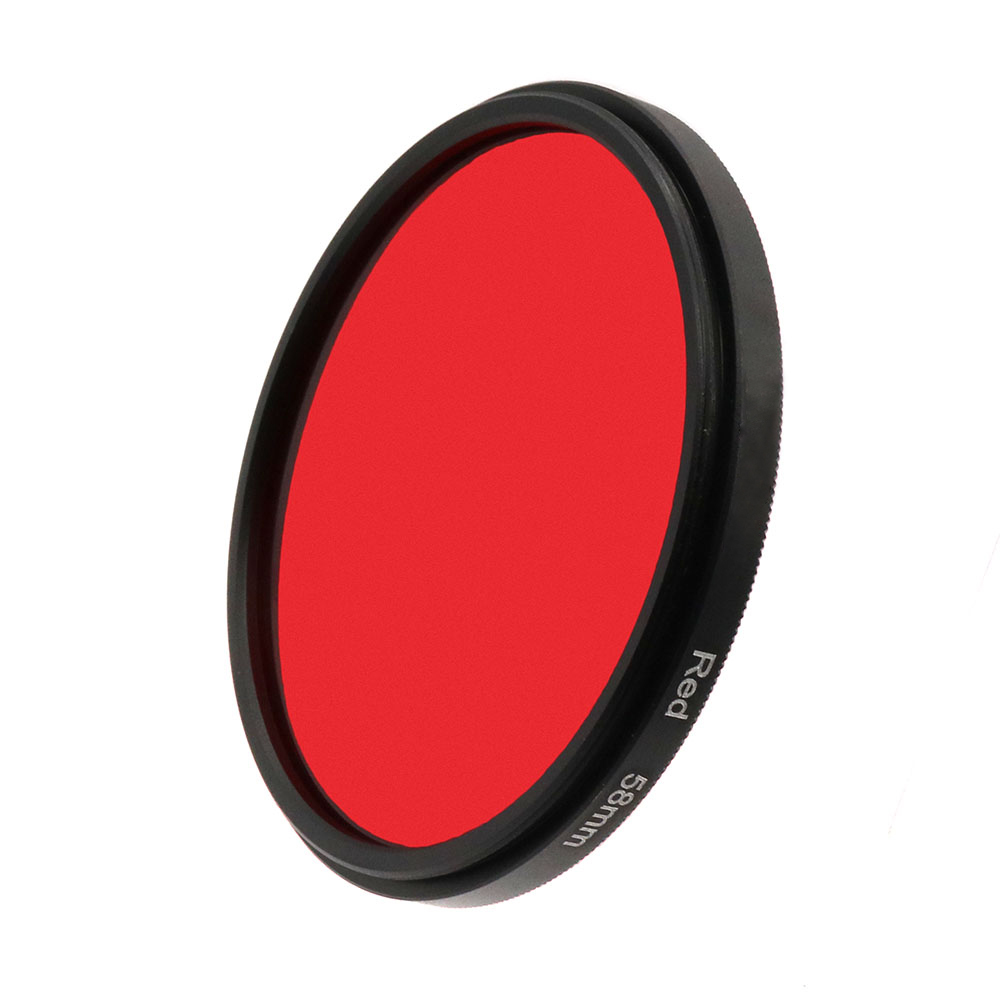
The"ultimate BOSS"of black and white filters—the most dramatic and intense effect.
Key Effects:
Extreme Contrast: Makes red subjects (like flowers or signs) appear almost white, while turning blue and green subjects (like skies and foliage) extremely dark.
"Night Effect"in Daylight: Can make a bright blue sky look pitch black, creating a surreal"moonlit"effect when combined with bright clouds (requires increased exposure).
Super Haze-Cutter: The strongest haze-penetrating ability—cuts through heavy fog or mist to capture distant, sharp scenes.
Reproduction Expert: Perfect for copying blue-line prints, red-background documents, or cleaning up red-stained text by creating maximum contrast.
Green Filter
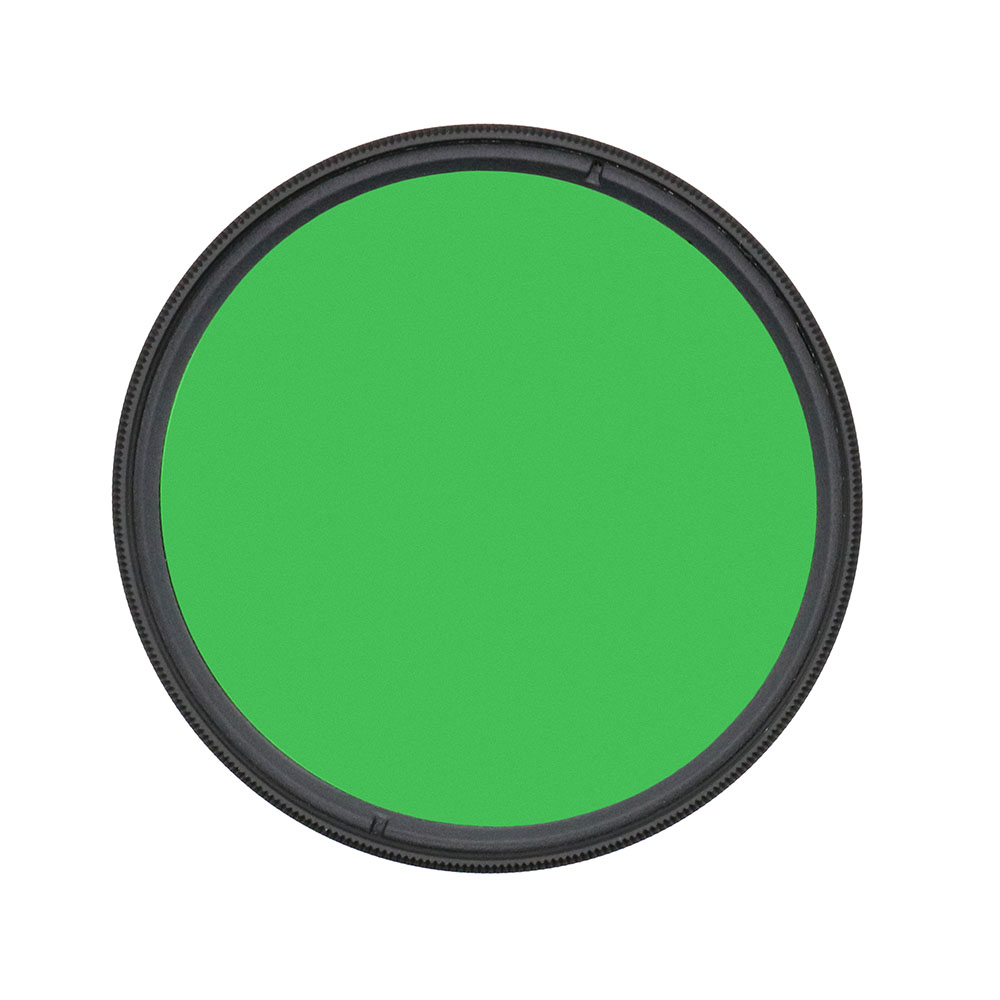
The"tonal separation expert"for nature scenes and black and white portraits.
Key Effects:
Tonal Adjustment: Lightens green and yellow objects while darkening red and blue ones.
Green Differentiation: Its superpower is capturing the rich, subtle variations of green in nature—making leaves, grass, and forests appear with more detail, richness, and clarity.
Sunlit Portraits (B&W): Unlike yellow filters, a green filter deepens skin tones in sunny conditions, giving subjects a healthy, tanned look—perfect for conveying an outdoor, athletic feel.
Blue Filter
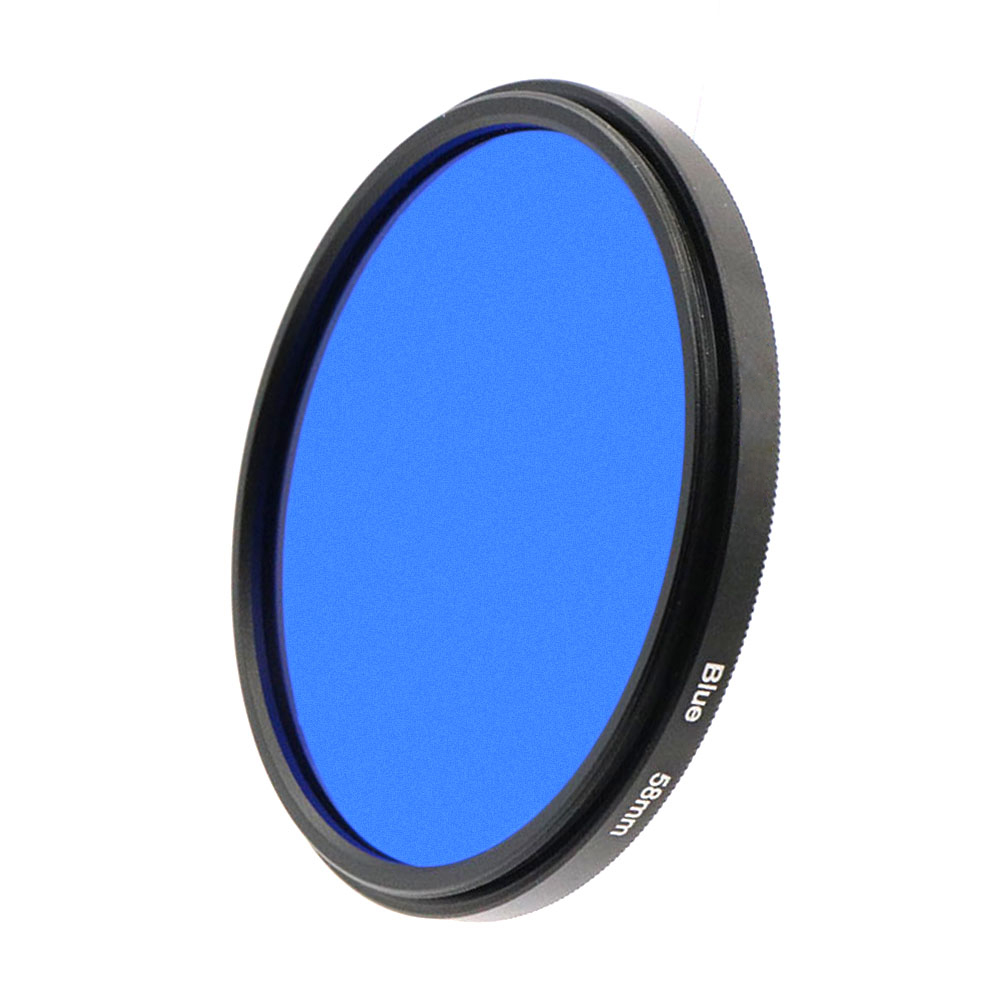
The mood master—adds a sense of mist, mystery, or coolness to your images.
Key Effects:
Enhanced Haze: In landscape photography, it strengthens the appearance of atmospheric haze, giving distant objects a soft,朦胧 (misty), and painterly quality.
Atmosphere Creator: In color photography, it bathes the scene in a cool blue tone, ideal for expressing dawn, moonlight, or melancholic moods.
Quick Tech Note: It works by allowing abundant scattered blue and violet light to pass through, which overexposes these areas on black and white film, creating the hazy visual effect.
FLD Filter (Purple/Magenta Filter)
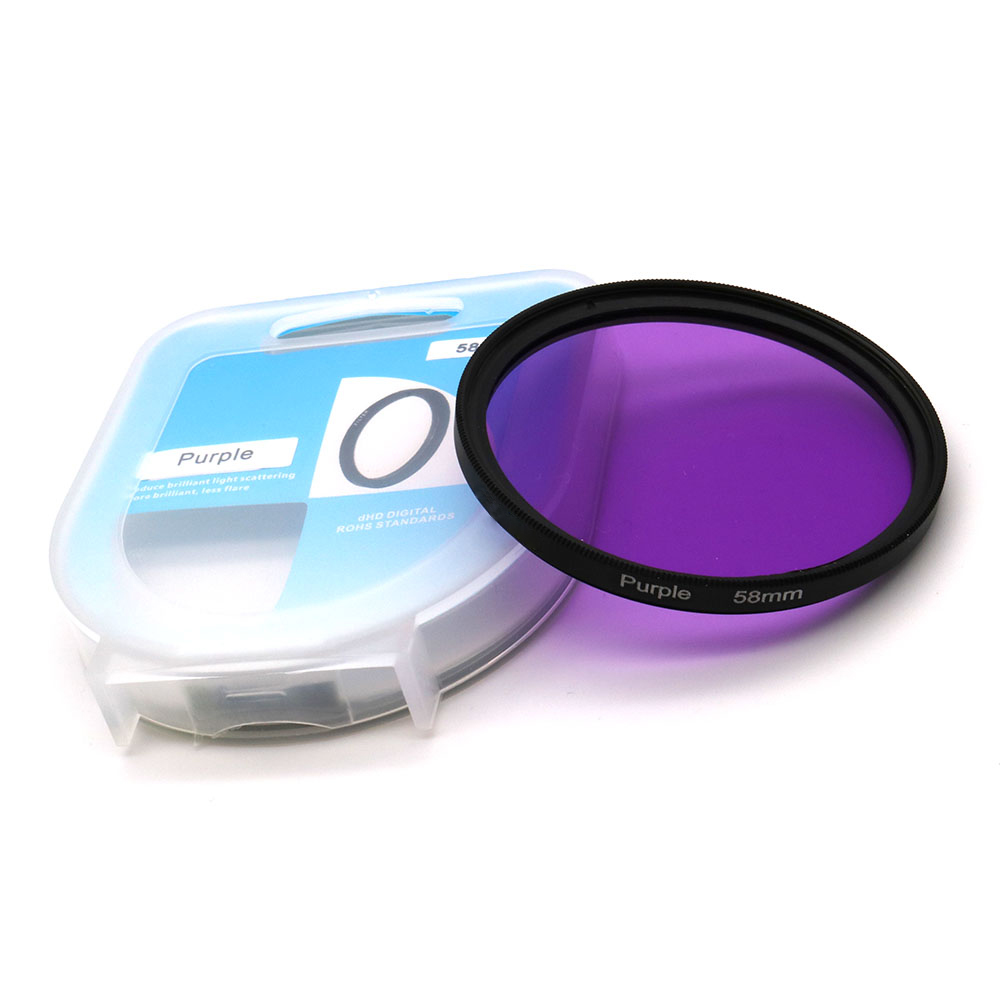
Not for"creating"effects, but for correcting color casts under specific lighting.
Key Effects:
Color Correction: Primarily used in the color film era. When shooting under fluorescent lights (like standard office tube lights), images tend to turn greenish-blue.
Restoring Reality: Adding this purple/magenta FLD filter absorbs and corrects that color cast, restoring natural skin tones and colors to the scene.
Modern Uses: In the digital age, while white balance can fix this easily, the FLD filter is still useful for creating retro vibes or capturing a unique atmosphere under specific light sources. It can even be used creatively to produce dreamy, purple-toned effects.
My digital camera has a black and white mode. Do I still need these physical filters?
Absolutely! Your camera's built-in B&W mode simply removes color information. It can't selectively control which wavelengths of light reach the sensor to adjust which tones become lighter or darker. Physical filters give you that control, creating tonal separation and contrast that's hard to replicate perfectly in post-processing.
How do I know which filter size to buy?
Check the front of your camera lens (or your adapter tube). Look for a" Ø "symbol followed by a number (like Ø 58mm). That's your filter size. Our list covers all common sizes from 37mm to 82mm.
Can I stack two filters together?
Technically yes, but it's not recommended. Stacking increases the risk of vignetting (dark corners) and can slightly reduce sharpness. For best image quality, use one filter at a time.
What happens if I use these filters for color photography?
The entire image will take on a color cast matching the filter. This can be used creatively! For example, using a blue filter for night cityscapes can create a cool, mysterious atmosphere. It's a fun way to experiment with in-camera effects.


