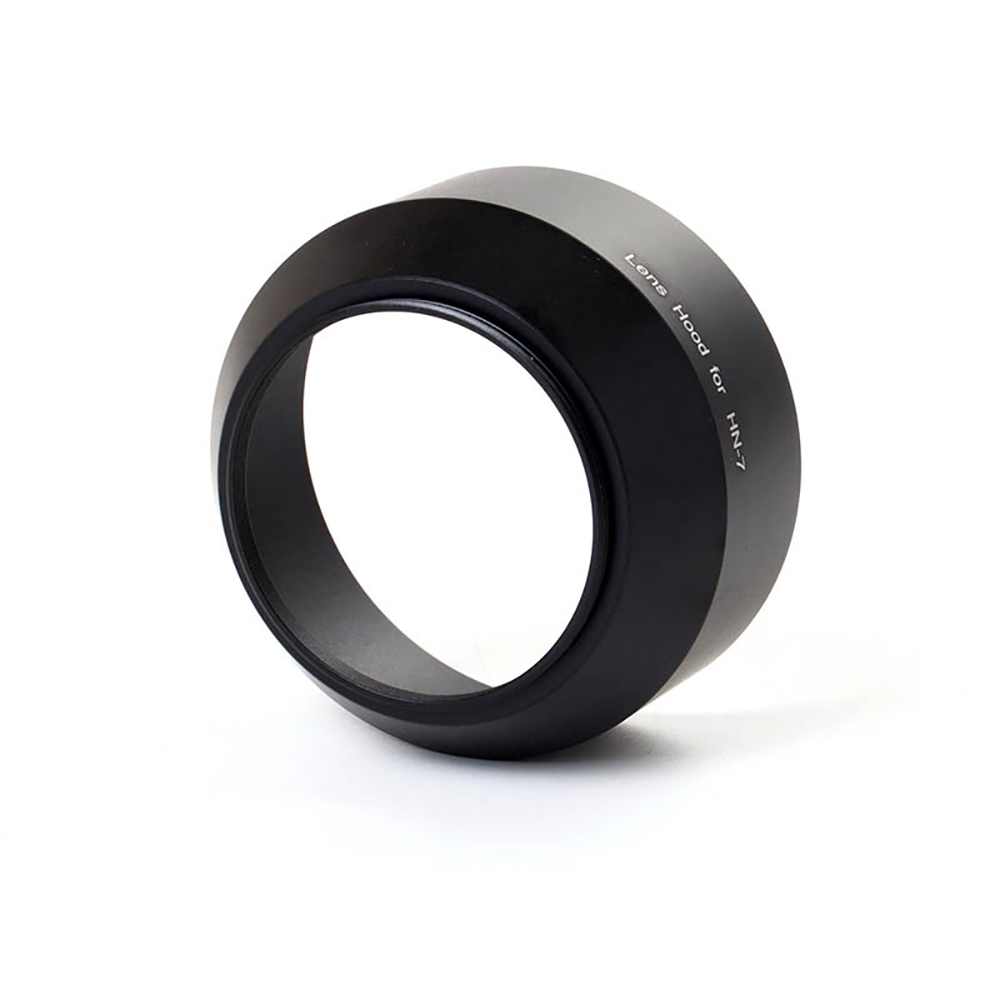
Have you heard macro reverse adapter?
2021-09-15
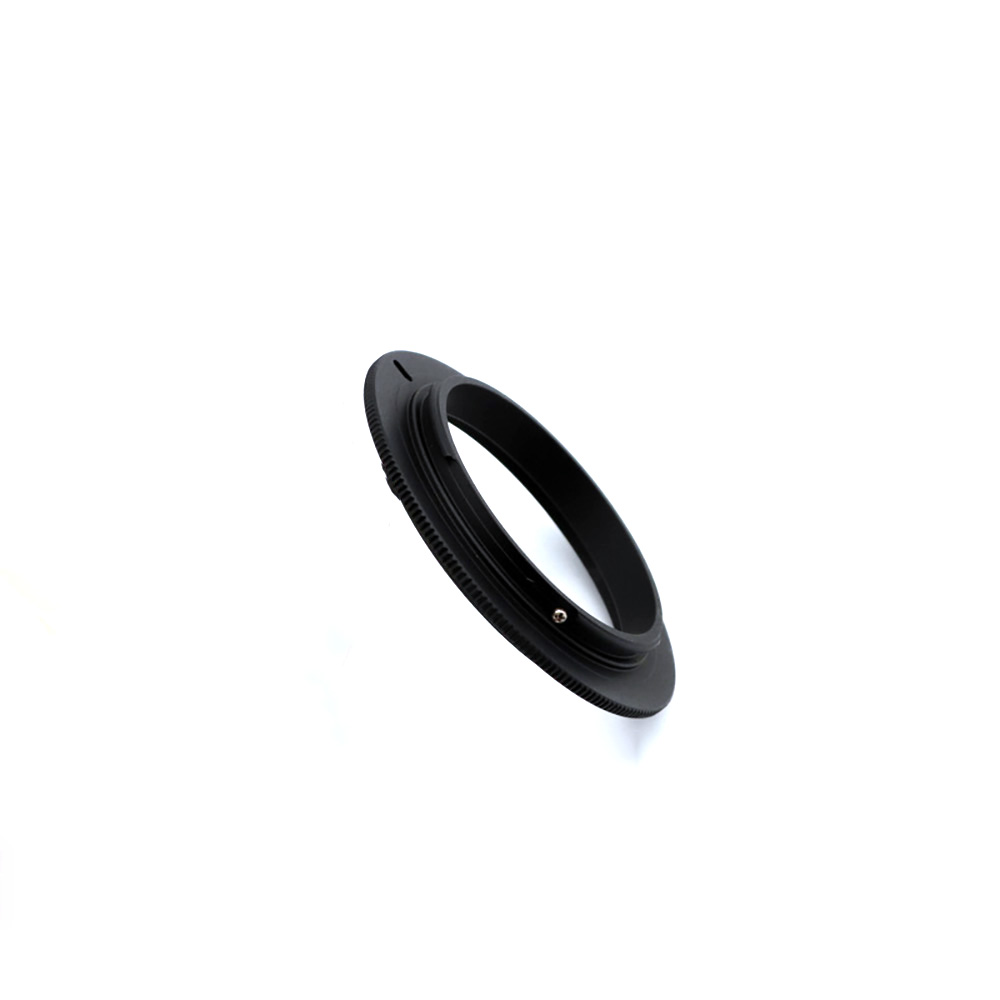
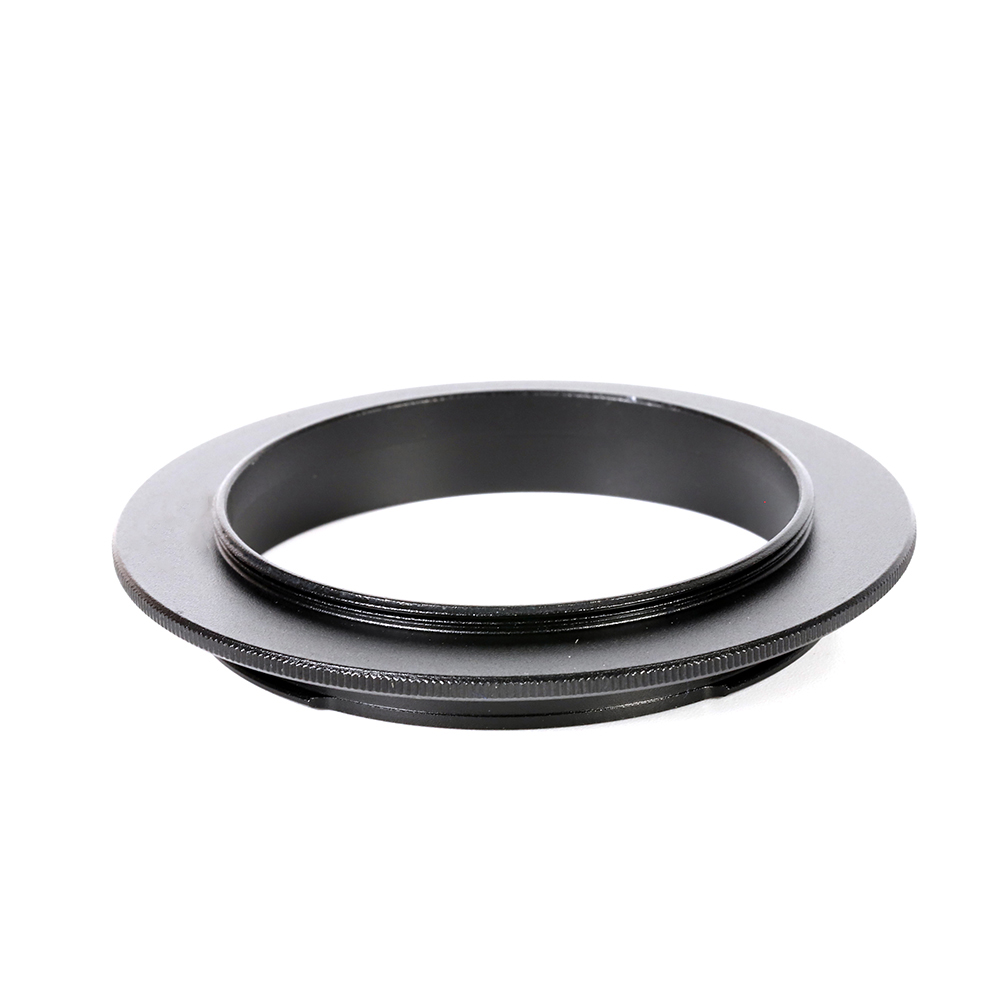
The macro reverse adapter is generally composed of a screw end and a bayonet end, which is used to reverse the lens (that is, the front of the lens is connected to the camera).
What is the macro reverse adapter?
Friends who play photography know that macro photography is necessary to have a macro lens, and the price of a professional macro lens is too high, what should I do if I want to play but don't want to spend a lot of money to buy a macro lens? One way is to reverse the standard lens to the camera. To reverse the lens to the camera, an accessory is needed. Then reverse ring appears here.
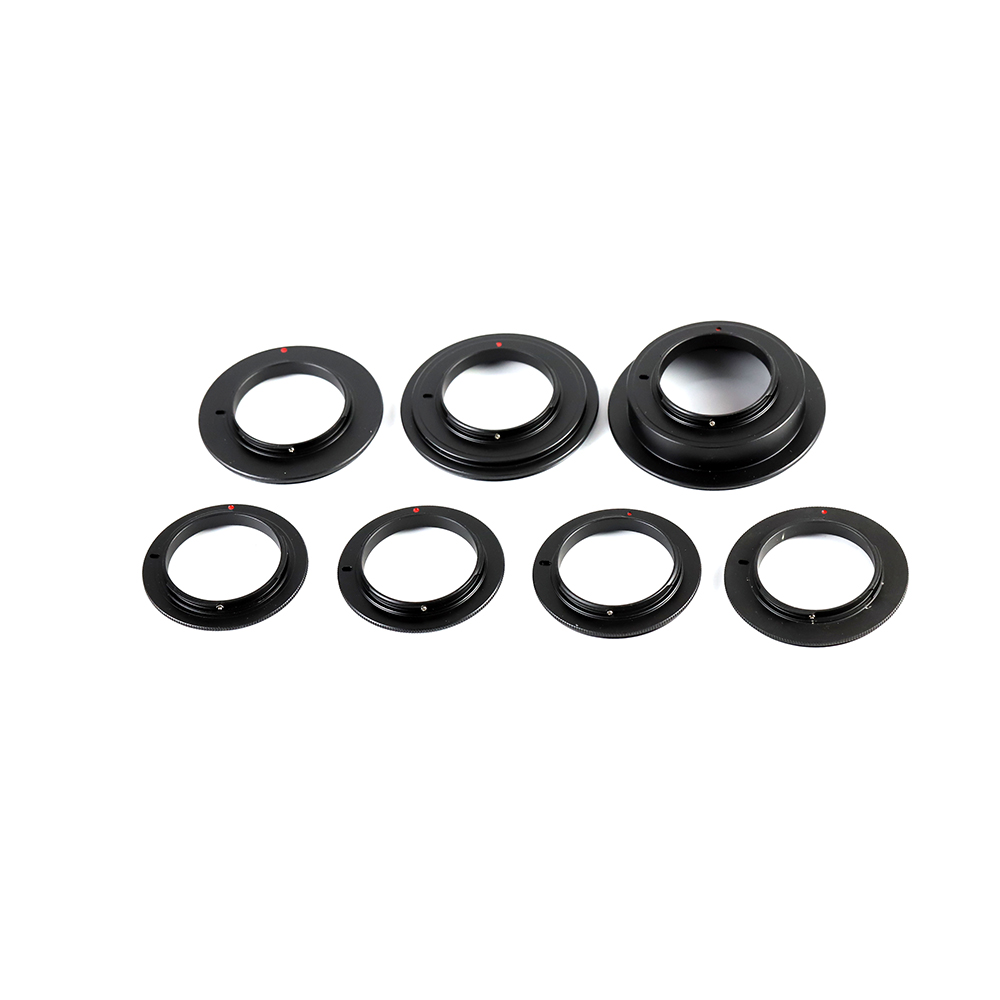
The method of use is as follows:
First, buy a bayonet-mount flip adapter that matches your camera, align the bayonet with the camera and screw it on, and then flip the lens onto the thread of the adapter. Pay attention to the following points when shooting:
1)When shooting, measure the light first. The method is to move the iris lever with your fingers, turn the iris adjustment ring, and cooperate with the speed adjustment dial, so that the measured light is quite accurate and absolutely reliable.
2)Move the camera back and forth to adjust the focus (because the focus ring is almost ineffective after the lens is reversed). After the focus is completed, move the iris lever to shrink the iris to the gear you set, and then press Shutter to shoot. Although this method is not as convenient as a professional macro lens, the overall feeling is still very good, and it is no problem to remake a 1-inch photo 1:1. In this way, using the camera in your hand has one more playable content, which is more fun!
3) Connect the lens to the filter ring side to the camera. This method can provide better optical prime numbers without loss of light. The problem is that the reversed lens is almost focused on one point, and the camera does not have the aperture control, and the lens aperture must be narrowed for metering.
4) When using the inverted ring, the shorter the focal length of the main lens, the greater the magnification obtained. Generally speaking, a standard or shorter focal length lens will be used.
Advantages of macro reverse adapter:
1. Further increase the distance between the lens and the focal plane;
2. Achieve good results when shooting three-dimensional scenes;
3. Simple and inexpensive.
The function of the inverted ring:
1. Using this inverted ring, you can turn your ordinary lens into a macro lens. Any mount can be used, as long as the caliber is the same. After using the inverted ring, the lens needs to be manually focused and the aperture adjusted manually.
2. The lens can be connected upside down to the body to achieve the purpose of macro photography with a normal lens. After being connected, the lens cannot be AF, and the aperture is fully manual.
3. Note: Since the magnification is very large after the inversion, the focus range is very short, and the camera needs to be moved back and forth to find the focus, so this adapter is suitable for more patient players to use, and it is best to use it with a macro stand. It will facilitate focusing.
4. Any mount of this caliber lens can be connected and used.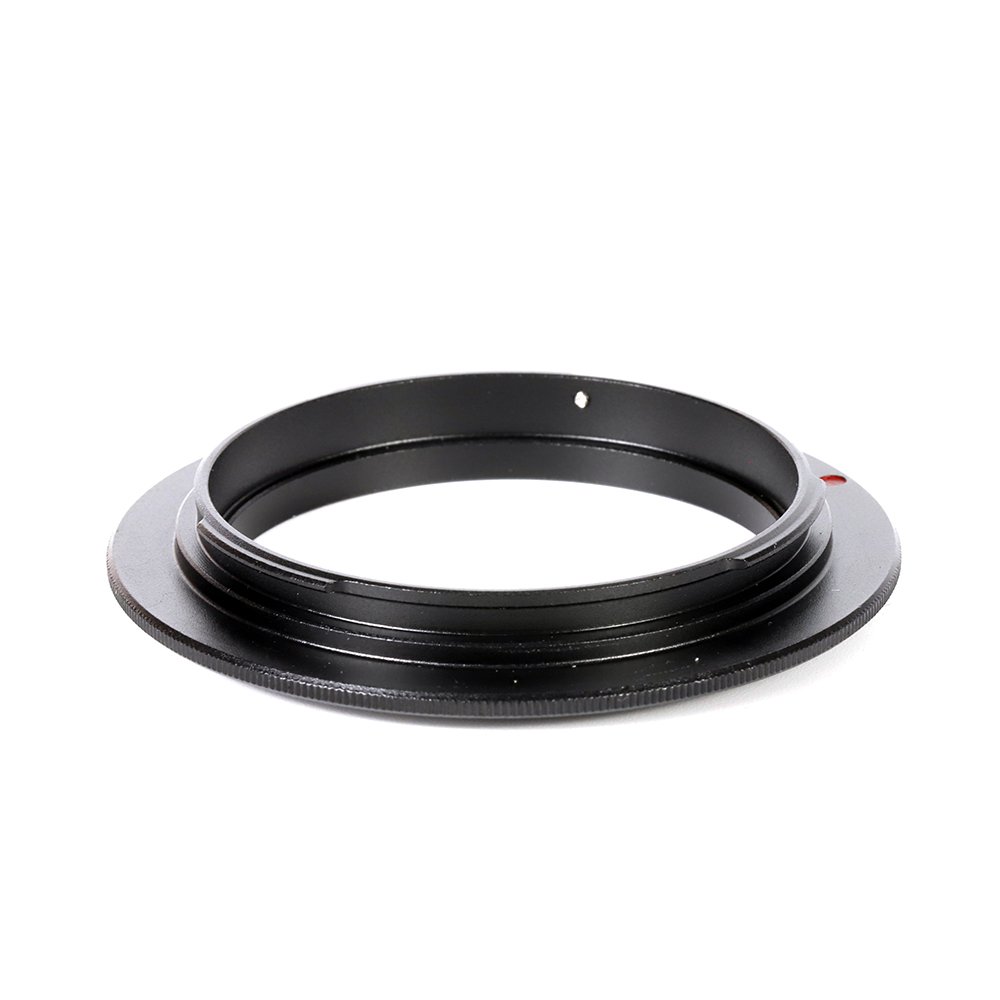
What is the macro reverse adapter?
Friends who play photography know that macro photography is necessary to have a macro lens, and the price of a professional macro lens is too high, what should I do if I want to play but don't want to spend a lot of money to buy a macro lens? One way is to reverse the standard lens to the camera. To reverse the lens to the camera, an accessory is needed. Then reverse ring appears here.
First, buy a bayonet-mount flip adapter that matches your camera, align the bayonet with the camera and screw it on, and then flip the lens onto the thread of the adapter. Pay attention to the following points when shooting:
1)When shooting, measure the light first. The method is to move the iris lever with your fingers, turn the iris adjustment ring, and cooperate with the speed adjustment dial, so that the measured light is quite accurate and absolutely reliable.
2)Move the camera back and forth to adjust the focus (because the focus ring is almost ineffective after the lens is reversed). After the focus is completed, move the iris lever to shrink the iris to the gear you set, and then press Shutter to shoot. Although this method is not as convenient as a professional macro lens, the overall feeling is still very good, and it is no problem to remake a 1-inch photo 1:1. In this way, using the camera in your hand has one more playable content, which is more fun!
3) Connect the lens to the filter ring side to the camera. This method can provide better optical prime numbers without loss of light. The problem is that the reversed lens is almost focused on one point, and the camera does not have the aperture control, and the lens aperture must be narrowed for metering.
4) When using the inverted ring, the shorter the focal length of the main lens, the greater the magnification obtained. Generally speaking, a standard or shorter focal length lens will be used.
Advantages of macro reverse adapter:
1. Further increase the distance between the lens and the focal plane;
2. Achieve good results when shooting three-dimensional scenes;
3. Simple and inexpensive.
The function of the inverted ring:
1. Using this inverted ring, you can turn your ordinary lens into a macro lens. Any mount can be used, as long as the caliber is the same. After using the inverted ring, the lens needs to be manually focused and the aperture adjusted manually.
2. The lens can be connected upside down to the body to achieve the purpose of macro photography with a normal lens. After being connected, the lens cannot be AF, and the aperture is fully manual.
3. Note: Since the magnification is very large after the inversion, the focus range is very short, and the camera needs to be moved back and forth to find the focus, so this adapter is suitable for more patient players to use, and it is best to use it with a macro stand. It will facilitate focusing.
4. Any mount of this caliber lens can be connected and used.
Do you know the materials of camera lens hood and adapter ring?